
Managing Chargers, Battery Systems, and High-Value Power Assets
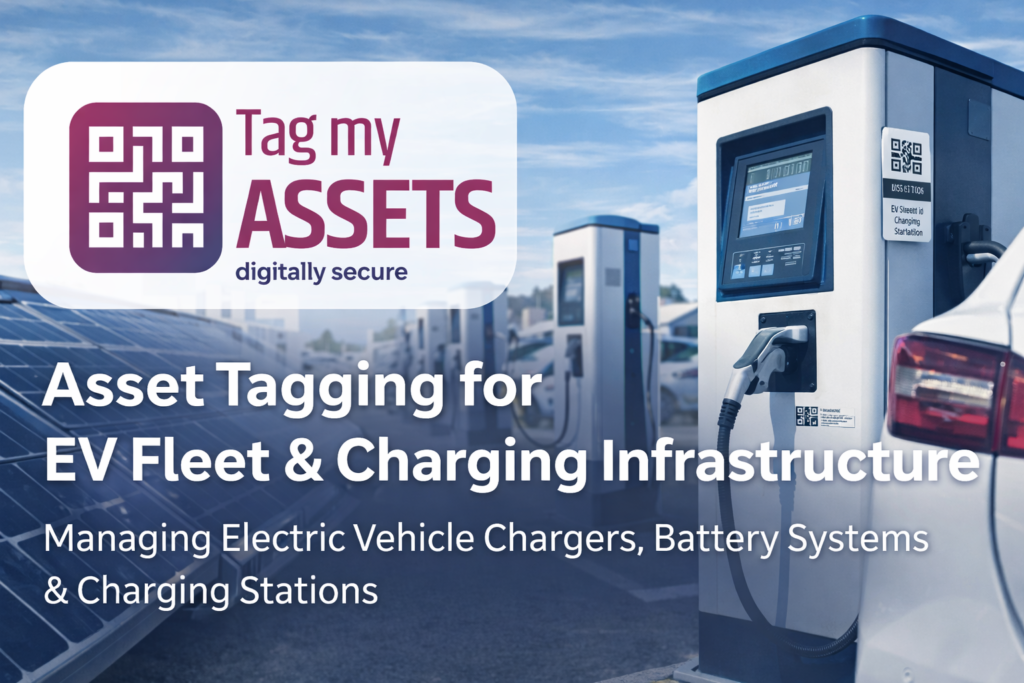
EV infrastructure asset tagging serves as the essential bridge between physical hardware and digital oversight. By leveraging QR codes, ruggedized metal tags, and RFID technology, EV infrastructure asset tagging allows operators to transform ‘dark’ hardware into visible, data-rich components of a managed network.
For organizations operating EV fleets, charging networks, or battery infrastructure, managing thousands of assets across multiple locations can be challenging. This is where professional asset tagging and digital management systems play a crucial role.
Asset tagging is the bridge between physical hardware and digital oversight. By leveraging QR codes, ruggedized metal tags, and RFID technology, operators can transform “dark” hardware into visible, data-rich components of a managed network.
Why EV Infrastructure Asset Tagging is Critical for Fleet Success
EV infrastructure is unique because it combines high-voltage electrical components with high-traffic public access. Without a robust tagging system, operators face:
- Maintenance Blind Spots: Inability to track MTTR (Mean Time to Repair) or service history.
- Warranty Leakage: Failing to claim warranties because original installation dates or component IDs are lost.
- Theft & Tampering: Difficulty identifying unauthorized part swaps or cable theft.
- Audit Failures: Struggling to meet regulatory safety standards and financial reporting requirements.
Identifying Key Components for EV Infrastructure Asset Tagging
The following components are the ones worth tagging individually:
| Category | Key Assets to Tag |
| Charging Hardware | DC Fast Chargers, AC Level 2 Stations, Cables, Payment Terminals. |
| Power Distribution | Transformers, Switchgear, Smart Meters, Power Modules. |
| Battery Storage (BESS) | Battery Racks, Inverters, Cooling Units, BMS Modules. |
| Site Infrastructure | Bollards, Canopies, Security Cameras, Signage. |
Choosing the Right Tag for the Environment
Not all tags are created equal, especially in harsh outdoor environments.
- Metal Asset Tags (Anodized Aluminum):
- Best for: Outdoor chargers, transformers, and heavy electrical gear.
- Durability: Resists UV, salt spray and temperature extremes — the standard choice for outdoor electrical gear.
- RFID Tags:
- Best for: Large-scale depots and high-volume inventory.
- Benefit: Enables “non-line-of-sight” scanning, allowing technicians to audit an entire power cabinet without opening every panel.
- Polyester QR Code Tags:
- Best for: Indoor control rooms and sub-components.
- Benefit: Cost-effective and instantly scannable by any smartphone-based field app.
Safety and Regulatory Compliance
Beyond operational efficiency, EV infrastructure asset tagging is a cornerstone of regulatory compliance and audit readiness. With shifting global standards like CARO 2020 and ESG mandates, organizations must prove the physical existence and location of their high-value assets.
By using TagMyAssets, field teams can perform “Floor-to-Sheet” and “Sheet-to-Floor” verifications in minutes. Every scan records:
Timestamps: when the asset was last physically sighted.- GPS Geo-tagging: Verifying the precise location of the charger or battery module.
- User Accountability: Recording which employee or auditor performed the verification.
This level of digital evidence ensures your Fixed Asset Register (FAR) remains accurate, significantly reducing the risk of “ghost assets” and providing a solid paper trail for statutory audits and insurance reporting.
Benefits of EV Infrastructure Asset Tagging
Ultimately, a structured approach to EV infrastructure asset tagging ensures long-term ROI by protecting high-value investments from neglect or loss.
By prioritizing EV infrastructure asset tagging, companies can transform a scattered network of hardware into a streamlined, digital inventory. This approach ensures that every piece of equipment is accounted for during financial audits and operational reviews.
The Workflow of EV Infrastructure Asset Tagging
A structured deployment ensures data accuracy. The standard process for EV infrastructure asset tagging involves:
- Physical Verification: Auditing the “as-built” status of the charging site. 🔍
- Unique ID Generation: Assigning serialized identifiers within the EV infrastructure asset tagging system. 🔢
- Durable Installation: Securely attaching tags to chargers, transformers, and battery racks. 🔨
- Mobile Synchronization: Using the TagMyAssets app to link the physical tag to the digital cloud record. 📱
- Audit-Ready Reporting: Finalizing the digital register created through EV infrastructure asset tagging. 📊
FAQ
Q: Why is asset tagging important for EV charging infrastructure? A: It provides a “single source of truth” for maintenance, warranty tracking, and regulatory compliance across geographically dispersed locations.
Q: Can I use standard stickers for outdoor chargers? A: No. Standard labels degrade under UV exposure. Anodized aluminum or specialized outdoor-grade polymers are required to ensure the tag remains readable for the 10-year lifespan of the charger.
Q: How does RFID help in a charging hub? A: RFID allows for rapid bulk scanning. A technician can walk through a site and verify the presence of all internal components and safety gear in seconds without manual counting.
If your organisation is planning asset tagging, QR code tagging or fixed asset verification:
TagMyAssets carries out asset tagging, physical verification and FAR reconciliation across India as a field service, so charging stations and battery systems can be identified, verified and reconciled to your register. To understand asset tagging in detail, read our complete guide on asset tagging.
Explore our services: