
Introduction
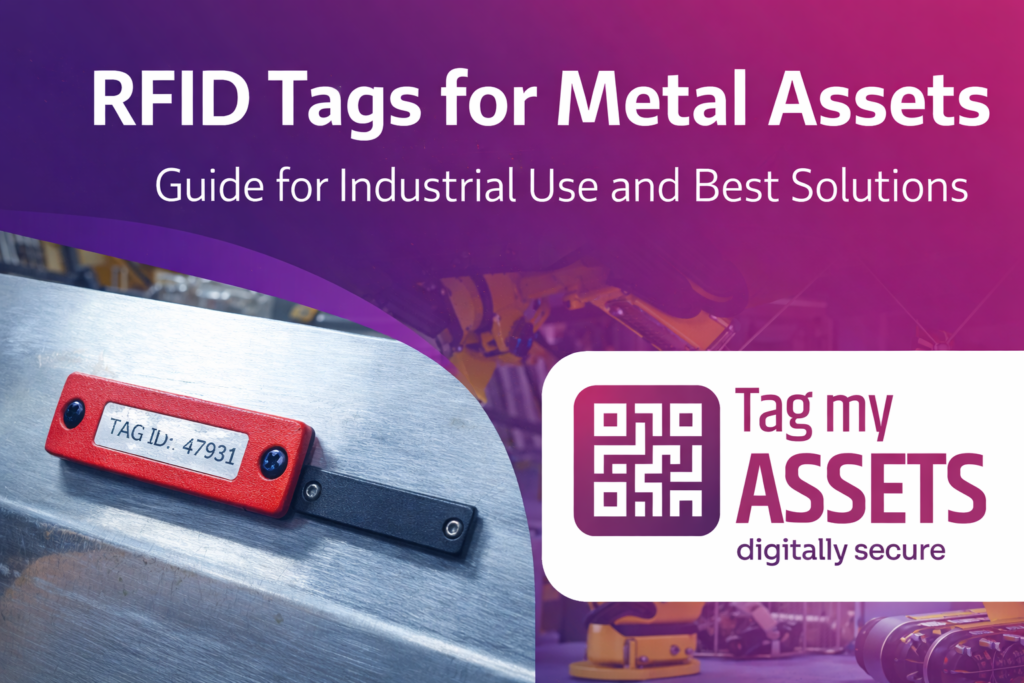
RFID tags for metal assets are specially designed to work efficiently on metallic surfaces where standard RFID tags fail. In industrial environments, selecting the right RFID tag is critical for accurate asset tracking and long-term performance.
RFID tags for metal assets are increasingly being used by industries to improve asset tracking accuracy and operational efficiency. These tags are specifically engineered to overcome signal interference caused by metal surfaces, ensuring reliable performance even in challenging environments. Businesses investing in RFID solutions benefit from faster audits, better asset visibility, and reduced manual effort.
Why RFID does not work on metal
Metal surfaces interfere with radio frequency signals, causing:
- Signal reflection
- Reduced readability
- Inconsistent scanning
This is why specialized RFID tags for metal assets are required. RFID tags for metal assets provide long-term reliability and efficiency for industrial asset tracking.
Types of RFID tags for metal assets
On-metal RFID tags
Designed specifically for metal surfaces with insulating layers.
Hard RFID tags
Durable tags used in harsh industrial environments.
Ceramic RFID tags
Heat-resistant and suitable for extreme conditions.
Encapsulated RFID tags
Protected against chemicals, dust, and moisture.
Key features to look for
When selecting RFID tags for metal assets, consider:
- Read range
- Durability
- Heat resistance
- Chemical resistance
- Mounting type (adhesive, screw, or weld)
Industries using RFID metal tags
RFID tags for metal assets are widely used in:
- Manufacturing plants
- Oil and gas industry
- Warehouses
- Heavy machinery tracking
- Automotive sector
Common challenges
- Incorrect tag selection
- Poor placement on assets
- Environmental impact
- Compatibility issues
Proper planning ensures successful RFID implementation.
Best practices
- Always test tags before bulk implementation
- Choose tags based on environment
- Ensure proper placement
- Work with experienced service providers
When should you use RFID for metal assets
Use RFID when:
- Assets are large and metallic
- Manual tracking is inefficient
- Real-time tracking is required
- High-value assets need monitoring
Choosing the right RFID tags for metal assets depends on the type of environment, asset material, and required read range. It is always recommended to test different tag types before final implementation to ensure optimal performance.
Internal links (copy paste)
For a complete understanding of RFID implementation, read our detailed guide on
RFID asset tagging in India.
For professional asset tagging solutions, explore our services here: asset tagging services in India .
Conclusion
RFID tags for metal assets provide a reliable solution for tracking and managing industrial equipment. Choosing the right tag type and implementation strategy ensures accurate results and long-term efficiency.
For more technical details on RFID technology, refer to RFID overview.
FAQ
What RFID tags work best on metal assets?
On-metal RFID tags and ceramic RFID tags are most effective.
Can normal RFID tags work on metal?
No, standard RFID tags fail on metal surfaces due to signal interference.
Are RFID tags durable for industrial environments?
Yes, hard and encapsulated RFID tags are designed for harsh conditions.
Which industries use RFID for metal assets?
Manufacturing, oil and gas, automotive, and warehousing sectors.