
A QR or barcode based asset tagging system gives each fixed asset a scannable identity linked to your asset register. Spreadsheet-only registers make physical verification slow and hard to evidence.
This guide explains how QR and barcode tagging works, where each suits, and how tagged assets support physical verification.
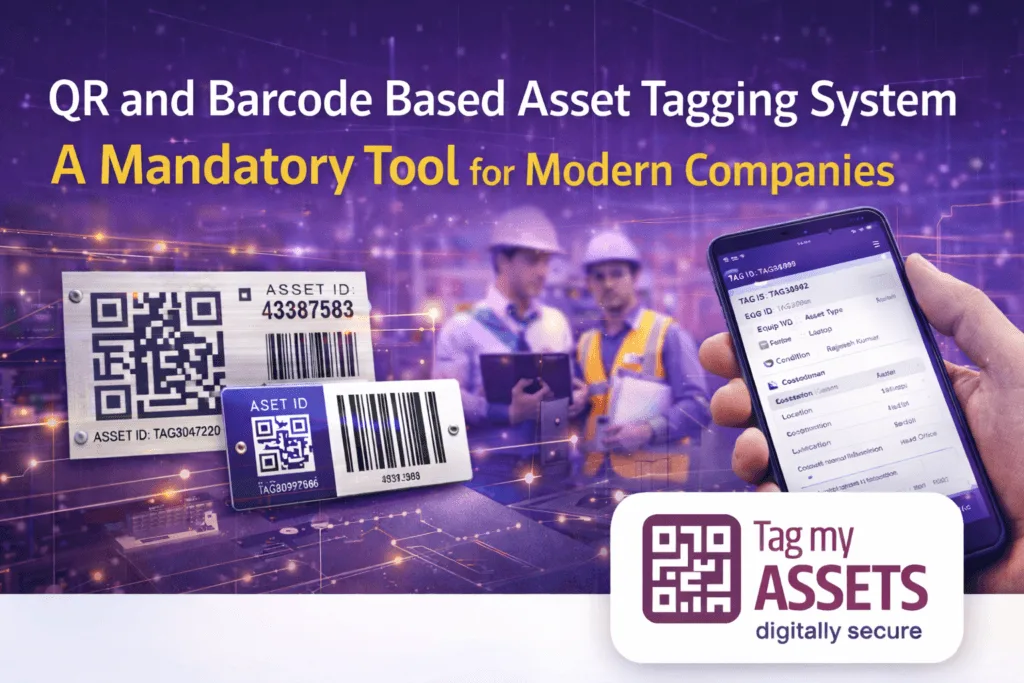
What Is a QR and Barcode Based Asset Tagging System?
A QR and barcode based asset tagging system involves attaching unique machine-readable codes to each asset. These codes are linked to a centralized digital database containing asset details such as:
- Asset name and description
- Asset code and serial number
- Location and department
- Custodian details
- Purchase and warranty information
- Maintenance records
Each asset can be instantly accessed by scanning the code using a mobile application.
Why Auditors Increasingly Expect Tagged Assets
While not legally mandatory in all cases, QR and barcode asset tagging is increasingly required due to:
- Statutory audit expectations
- CARO reporting requirements
- Internal control frameworks
- Corporate governance standards
- Risk management practices
- Digital transformation initiatives
Regulators, auditors, and investors expect companies to maintain reliable asset verification systems. QR and barcode based asset tagging system helps companies maintain accurate records, ensure traceability, and support statutory audits.
How QR and Barcode Based Asset Tagging Works
A typical QR code asset tagging process includes:
- Asset master data creation
- Unique QR/barcode generation
- Tag printing on suitable material
- Physical tagging of assets
- Mobile-based scanning and verification
- Cloud data synchronization
- Automated reporting
This ensures real-time visibility and control over assets.
Benefits of QR and Barcode Asset Tracking Systems
Implementing a digital asset tagging system provides multiple benefits:
Improved Audit Readiness
Assets can be verified instantly during statutory and internal audits.
Accurate Reconciliation
Physical findings are matched against the FAR line by line
Better Asset Security
Unauthorized movement and misuse are detected easily.
Operational Efficiency
Manual record-keeping is substantially reduced
Data-Driven Decisions
Management gains access to reliable asset intelligence.
QR Code vs Barcode: Which Is Better for Asset Tagging?
| Feature | QR Code | Barcode |
|---|---|---|
| Data Capacity | High | Limited |
| Damage Tolerance | High | Low |
| Scan Speed | Fast | Fast |
| Cost | Low | Low |
| Mobile Friendly | Yes | Yes |
Most modern companies prefer QR codes due to their flexibility and durability.
Industries Using QR and Barcode Asset Tagging
QR and barcode systems are widely used in:
- Manufacturing plants
- Hospitals and laboratories
- Educational institutions
- IT and corporate offices
- Warehouses and logistics centers
- Infrastructure projects
Each industry benefits from customized tagging frameworks.
Integration with ERP and Accounting Systems
Advanced QR and barcode based asset tagging systems can integrate with:
- ERP platforms
- Accounting software
- Maintenance systems
- Inventory management modules
This ensures seamless data flow and compliance reporting.
Security and Tamper-Proof Features
Modern asset tags can include:
- Tamper-evident materials
- UV printing
- Anti-counterfeit layers
- Secure adhesive backing
These features make tag removal and duplication harder to do undetected.
Case Example
In one FAR reconciliation engagement (details anonymised), the client’s register carried 19,134 assets. Physical verification confirmed 10,112 on the ground, and the reconciliation surfaced gross book-value variances exceeding ₹10.5 lakh, flagged for management review.
Frequently Asked Questions (FAQs)
Is QR and barcode asset tagging legally mandatory?
It is not legally mandatory in all cases, but strongly recommended for audit and governance compliance.
Can QR codes be scanned without special devices?
Yes, smartphones with secure mobile apps can scan QR codes.
How long do QR asset tags last?
Tag life depends on material and environment. Standard printed labels typically last 1–3 years indoors. Polyester and polyimide labels last longer in office conditions. Etched metal tags used on plant machinery can last 10+ years.
Can this system work across multiple locations?
Yes, cloud-based platforms support multi-location operations.
Is QR and barcode asset tagging suitable for small companies?
Yes, even small businesses benefit from better control and audit readiness.
Can asset tagging integrate with accounting software?
Yes, modern systems integrate with ERP and accounting platforms.
Conclusion
A QR and barcode based asset tagging system is now standard practice for companies maintaining audit-ready asset records . It is a mandatory operational tool for organizations seeking transparency, efficiency, and regulatory confidence. With a QR and barcode based asset tagging system, businesses can improve governance and operational efficiency.
By adopting digital asset tagging, businesses can future-proof their asset management processes.
To improve audit readiness, refer to our complete guide on asset verification and audit services in India .
Good Reads
https://tagmyassets.com/asset-tagging-services-india/
According to ICAI guidance on audit documentation, maintaining proper asset records is essential for compliance.