
Inventory verification in medical stores and laboratories is a critical process to ensure the accuracy, safety, and compliance of pharmaceutical and laboratory inventory. Medical facilities deal with thousands of medicines, diagnostic kits, chemicals, and consumables that must be tracked carefully to prevent expired stock, stock shortages, and regulatory risks.
Unlike normal retail inventory, medical inventory requires strict monitoring of batch numbers, expiry dates, storage conditions, and regulatory documentation. A structured inventory verification process helps pharmacies, hospitals, and laboratories maintain accurate records and ensure patient safety.
Healthcare facilities conduct inventory verification in medical stores regularly to ensure accurate medicine tracking and compliance with regulatory standards.
In this guide, we explain the complete inventory verification process for medical stores and laboratories, common challenges, regulatory considerations, and best practices.
For a complete understanding, read our inventory verification services in India guide covering all industries and processes.
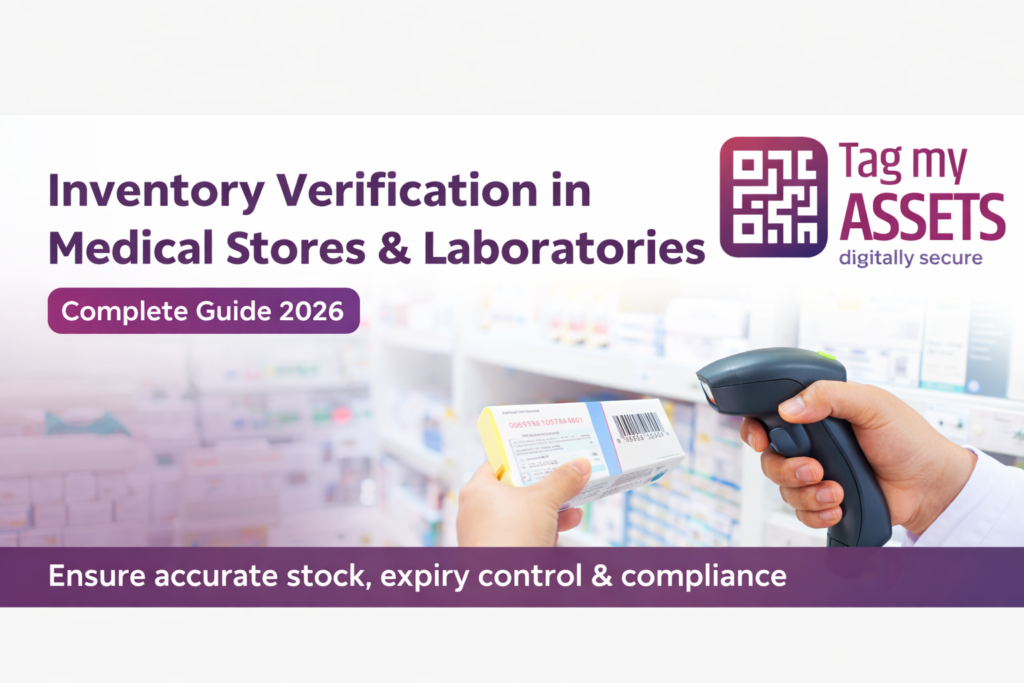
Why Inventory Verification in Medical Stores Is Important
Inventory verification in medical stores ensures accurate tracking of medicines, batch numbers and expiry dates. Regular verification helps pharmacies maintain compliance with healthcare regulations and avoid stock discrepancies.
Medical stores and laboratories handle critical healthcare supplies. Even small inventory errors can lead to serious consequences such as dispensing expired medicines or failing to track recalled batches.
Inventory verification in medical stores helps organizations:
• Ensure medicines are not expired
• Track batch numbers for recall management
• Maintain accurate stock levels
• Prevent stock pilferage and shrinkage
• Maintain regulatory compliance
• Improve inventory planning and procurement
Regular verification ensures that the system stock matches the physical inventory available in the store or laboratory.
Medical inventory verification helps pharmacies and laboratories ensure accurate stock records, batch tracking and expiry monitoring.
Types of Inventory in Medical Stores and Laboratories
Medical stores and laboratories manage multiple types of inventory that require verification.
| Inventory Type | Examples | Verification Focus |
|---|---|---|
| Medicines | Tablets, Capsules, Syrups | Expiry date, batch number |
| Diagnostic Kits | Blood test kits, COVID kits | Batch control |
| Laboratory Chemicals | Reagents, testing chemicals | Storage conditions |
| Medical Consumables | Gloves, syringes, masks | Quantity accuracy |
| Equipment | Diagnostic machines | Asset identification |
Each type of inventory requires a different verification approach to ensure accuracy and compliance.
Inventory Verification Process in Medical Stores and Laboratories
This structured inventory verification process in medical stores ensures that the physical stock matches system records and helps maintain compliance. Inventory verification in medical stores follows a structured process.
1. Inventory Data Collection
The verification team collects the system inventory records, including:
- Product name
- Batch number
- Expiry date
- Quantity
- Storage location
This information is extracted from the inventory management system or pharmacy software.
2. Physical Stock Counting
The verification team physically counts the inventory items stored in:
- Medicine racks
- Storage rooms
- Refrigerated storage
- Laboratory cabinets
Each item is verified against the system records.
3. Batch Number Verification
Batch numbers are critical in pharmaceutical inventory management.
During verification:
- Each batch number is checked
- Duplicate batches are identified
- Incorrect batch entries are corrected
Batch tracking helps pharmacies recall medicines quickly in case of regulatory issues.
4. Expiry Date Verification
Expired medicines pose serious health risks.
The verification team identifies:
- Expired medicines
- Near-expiry medicines
- Incorrect expiry entries in the system
This process helps medical stores avoid dispensing expired drugs.
5. Variance Analysis
After verification, the physical inventory is compared with system records.
Possible variances include:
| Variance Type | Meaning |
|---|---|
| Shortage | Physical stock less than system |
| Excess | Physical stock more than system |
| No variance | System and physical stock match |
Variance analysis helps identify inventory errors, theft, or system entry mistakes.
Common Inventory Problems in Medical Stores
Medical stores often face inventory challenges due to large SKU volumes.
Common issues include:
Expired Medicines
Medicines may remain unsold and expire without proper monitoring.
Batch Tracking Errors
Incorrect batch entries may lead to compliance issues.
Stock Mismatch
System stock may not match physical stock due to manual errors.
Improper Storage
Some medicines require refrigeration and controlled environments.
Poor Documentation
Incomplete records create problems during regulatory inspections.
Inventory verification helps identify and correct these issues.
Regulatory Compliance for Medical Inventory
Medical inventory management sits under several specific regulatory frameworks, not just general audit practice.
- Drugs and Cosmetics Act, 1940 and Rules — governs storage, sale and record-keeping of pharmaceutical stock.
- Central Drugs Standard Control Organisation (CDSCO) — sets national standards for drugs, diagnostic kits and cosmetics.
- State Pharmacy Licensing Requirements — drug licences issued under state drug control authorities, which pharmacies and stores must maintain and renew.
- Batch recall procedures — required when a manufacturer or regulator flags a batch, making accurate batch-number records essential rather than optional.
- Expiry tracking — a basic requirement of safe dispensing, and something inspectors specifically check during compliance visits.
Regular inventory verification is what makes it possible to demonstrate compliance with these requirements during an inspection, rather than discovering a gap only when one is raised.
Benefits of Professional Inventory Verification Services
Many hospitals and pharmacies hire professional inventory verification firms to conduct independent verification.
Benefits include:
• Accurate stock verification
• Identification of expired medicines
• Batch number tracking
• Improved compliance
• Inventory optimization
• Better audit readiness
Professional verification also improves inventory transparency and accountability.
Technology in Medical Inventory Verification
Modern inventory verification uses technology such as:
- Barcode scanning
- QR code asset tagging
- Inventory management software
- Mobile verification apps
- Real-time inventory dashboards
These technologies reduce manual errors and improve verification speed.
Best Practices for Medical Inventory Management
To maintain accurate inventory records, medical stores should follow best practices.
Recommended practices include:
• Conduct periodic inventory verification
• Maintain proper batch records
• Monitor expiry dates regularly
• Use barcode or QR based inventory systems
• Train staff on inventory management procedures
These practices help maintain efficient and compliant medical inventory systems.
Conclusion
Inventory verification in medical stores and laboratories is essential for maintaining accurate stock records, ensuring patient safety, and complying with regulatory requirements.
By conducting regular verification, monitoring batch numbers, and tracking expiry dates, healthcare organizations can avoid inventory errors and improve operational efficiency.
Medical stores that adopt structured inventory verification processes and modern inventory technologies can significantly reduce risks and maintain reliable inventory records.
Inventory verification in medical stores is essential for maintaining accurate pharmaceutical inventory records. Regular inventory verification in medical stores and laboratories helps healthcare organizations prevent stock discrepancies, expired medicines, and regulatory compliance risks.
FAQ
What is inventory verification in medical stores?
Inventory verification in medical stores is the process of physically checking medicines, diagnostic kits and laboratory inventory to confirm quantities, batch numbers and expiry dates.
Why is expiry verification important in pharmacies?
Expiry verification ensures that expired medicines are not dispensed to patients and helps maintain regulatory compliance.
How often should medical stores conduct inventory verification?
Most pharmacies conduct inventory verification quarterly or annually depending on audit requirements and stock volume.
What are the risks of poor inventory management in laboratories?
Poor inventory management may lead to expired chemicals, stock shortages and compliance issues.
Also read: inventory verification in manufacturing for plant-level inventory control.